

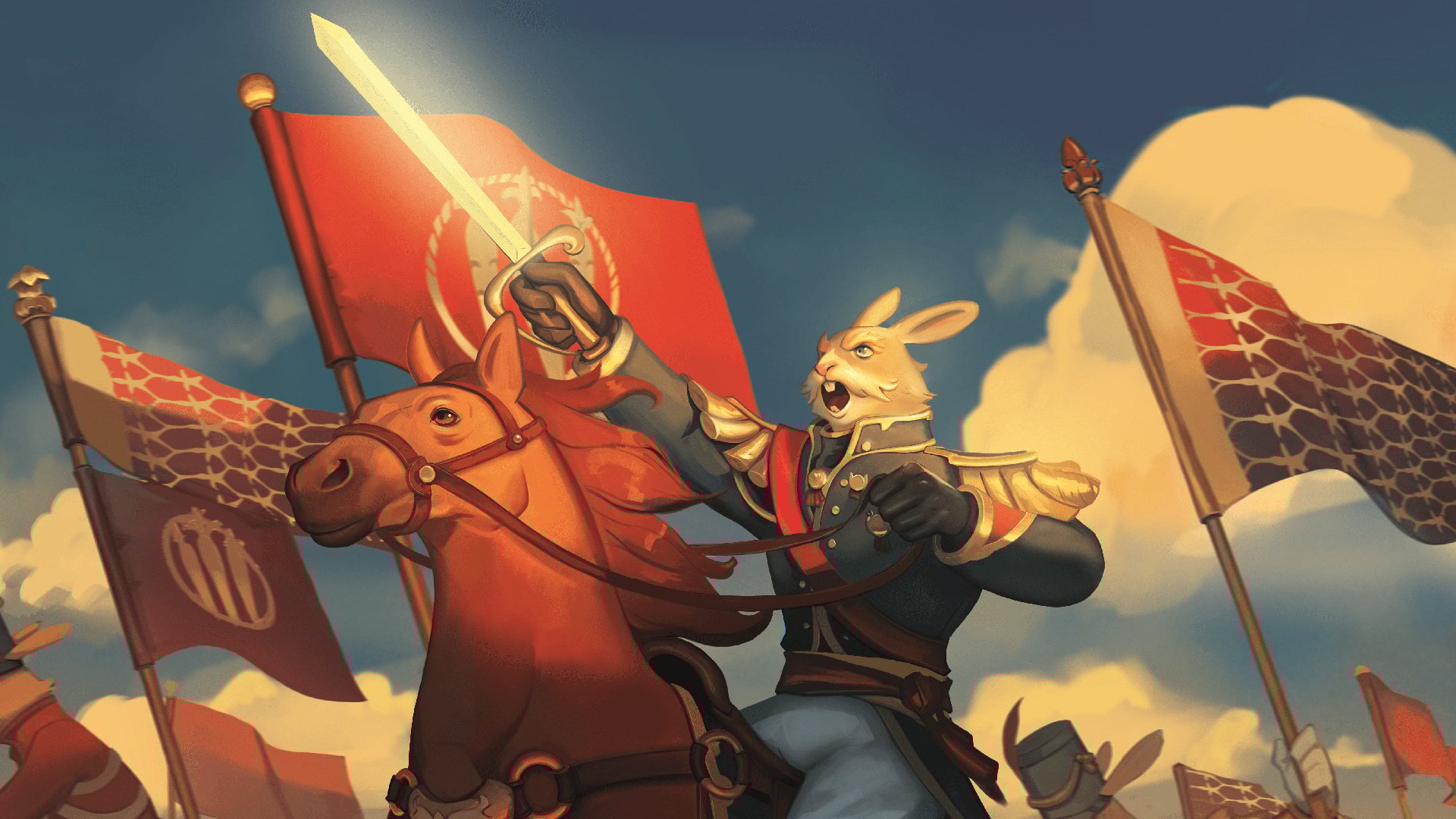
Untamed Tactics is a great narrative turn-based RPG from the team who brought the card-battling game Untamed Feral Factions. Though the game is praised by the players, Furvent shared a more mixed opinion – even if the game still evolves after each update. Grumpy Owl Games’ developer kindly answered some questions about the game and its development.
Please introduce yourself (first name, surname, age, professional background, etc.). What’s your role in Grumpy Owl Games and Untamed Tactics?
I’m Milan Lefferts and I am the Creative Director for Grumpy Owl Games. I end up making all the creative decisions that concern our games, from the artistic side of things to design and development.
How did the idea for the game come about? What were your development influences?
The idea Untamed Tactics was born from a combination of creative inspiration and a love for the genre. Here’s how it all started:
1. Creative Inspiration: The initial spark for Untamed Tactics came from our team’s passion for storytelling and world-building. We wanted to create a rich andimmersive game world that players could explore and become deeply invested in. The idea of a fantasy setting where players could lead a group ofdiversecharacters on epic adventures was incredibly appealing.
2. Love for Tactical RPGs: Many members of our development team are avid fans of tactical RPGs, such as the Fire Emblem series, XCOM, and Final Fantasy Tactics. These games offered a unique blend of strategic gameplay, character development, and immersive storytelling that we wanted to capture inourownway.
3. Market Research: We also conducted thorough market research to understand the current gaming landscape. We saw a growing interest in tactical RPGs and a demand for games that provided both challenging gameplay and compelling narratives. This research reinforced our belief that Untamed Tactics had the potential to resonate with players.
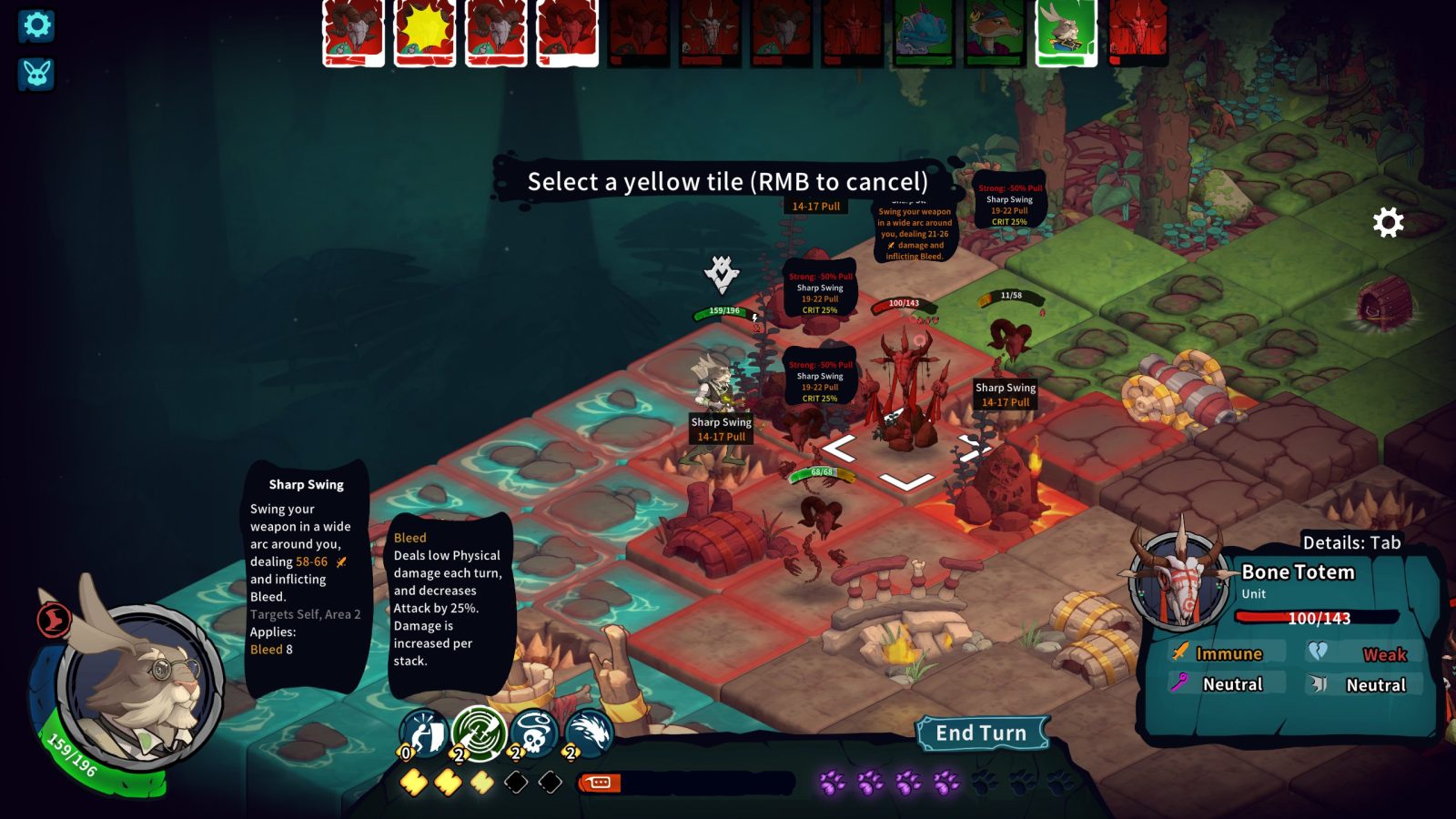
4. Unique Selling Points: To set Untamed Tactics apart from other games in thegenre, we brainstormed unique selling points and gameplay mechanics. These included a diverse cast of characters with their own backstories and motivations, and a deep and engaging combat system that rewarded both strategic thinking and adaptation. One of our innovative features is the ability to parlay with enemies during combat encounters. Instead of always resorting to violence, players have the option to initiate negotiations with opposing factions. Successfulparleys can lead to various outcomes, including demoralization, alliances, or enemies switching sides. This mechanic adds depth to the gameplay and encourages players to think beyond combat.
5. Iteration and Development: Once we had a solid concept and design document in place, we began the iterative process of game development. We created prototypes, playtested extensively, and refined our ideas based on feedback from both internal and external sources. This iterative approach allowedus to fine-tune the game mechanics, balance, and overall player experience. We were very grateful for having a small community that was eager to help playtesting initial concepts.
In summary, the idea for Untamed Tactics was born from our passion for storytelling, our love for tactical RPGs, and our desire to create a unique and engaging gaming experience. We drew inspiration from both classic and contemporary games in the genre while also adding our own innovative elements to make the game stand out in a competitive market.
What was the development process like, and how long did it take? How many people worked on it?
1. Concept and Planning (6-12 months): The development process began with brainstorming sessions to refine the game concept, design the world, and outline gameplay mechanics. During this phase, we also conducted market research to identify trends and player preferences in the tactical RPG genre. We spoke with players, but also publishers to get feedback on our idea and the viability of it.
2. Pre-production (6-9 months): Pre-production involved creating a detailed game design document, storyboarding, and prototyping core gameplay mechanics. Thisphase also included concept art and character design, which helped establish thevisual style of the game. We wanted this to align as much as possible with our existing physical card game: Untamed Feral Factions, which is placed in the sameuniverse and shares the same characters, such as the main character in Tactics; General Greycoat.
3. Production (18-24 months): The bulk of the development time was spent in the production phase. This included programming, hand drawing all 2D objects and characters, rigging and animation of these assets, level design, and writing the narrative. Playtesting and iteration were ongoing throughout this phase to refine gameplay mechanics and address any issues. Initially we wanted to be the game to have a lot of Roguelike elements in it as well, but during these playtests we found out that the game did not click as it was supposed to and we favored the focus on good narrative-driven gameplay.
4. Quality Assurance (3-6 months): Extensive playtesting and bug fixing were crucialto ensure a polished and (as much as possible) bug-free experience. This phase involved internal and external playtesters providing feedback.
The development of « Untamed Tactics » took approximately 3 to 4 years from concept to release.We have been working on this in various capacities but always with our core team of 4 people, and several freelancers. Due to our small size and budget, being an indie of course, we had to wear several hats. I ended up programming the game, but also writing the dialogues for the game and I have had to learn how to animate the characters, since nobody on the team could do that. Luckily we could depend on more expertise in the areas of UX/UI design and improve the experience in those areas as well as having a very good Voice Actor that brought our main character to life.
What sets this tactical RPG apart from others ?
« Untamed Tactics« sets itself apart by combining a visually stunning art style with innovative gameplay mechanics like the Parlay system.
Stunning Visuals: « Untamed Tactics » boasts a vibrant and visually captivating art style. The lush landscapes, detailed character designs, and dynamic animations immerse players in a rich and colorful world. This artistic excellence sets the game apart from others in the genre.
Parlay Mechanic: What truly sets « Untamed Tactics » apart is the Parlay mechanic, which allows players to engage in diplomacy within the heat of battle. This mechanic encourages strategic thinking beyond brute force, offering players the choice to negotiate with enemies.
Complex Personalities: « Untamed Tactics » features a diverse cast of characters, each with their own complex personalities, backgrounds, and motivations. Players can build relationships with these characters, affecting both the narrative and gameplay. This depth of character development enhances player immersion and attachment.
This unique blend of artistic excellence and dynamic gameplay elements creates a tactical RPG experience that is both visually captivating and intellectually engaging, making « Untamed Tactics » a standout title in the genre.
How long does Untamed Tactics last? How replayable is it?
« Untamed Tactics » offers a main story duration of 12 to 15 hours, with the option to extend playtime by choosing higher difficulties and exploring different narrative paths. The Adventure Mode, makes the game highly replayable, allowing players to continue enjoying the game indefinitely while experimenting with various character builds and story choices.
If you had to rethink something during development, what would it be? Or something that held you back?
During the development there were certainly lessons learned that, if given the opportunity to rethink, would have a significant impact on the development process. One notable aspect that we would reconsider is adopting the principle of « Keep It Simple, Stupid » (KISS) from the outset.
We realized that, at times, we overcomplicated certain aspects of the game’s design and mechanics. While complexity can be engaging, it’s essential to strike the right balance to avoid feature bloat and developmentbottlenecks.
• Streamlined Features: With the benefit of hindsight, we would prioritize simplifying and streamlining certain features and mechanics. This would not only reduce development time but also make the game more accessible and enjoyable for players. For instance our AI for enemy types has been written in an overcomplicated way. Instead of just given commands to run by, such as: IF 2 enemies are close USE AoE attack, we would have the AI calculate distances, using equations and all kinds of parameters and it would end up choosing random objects on the battlefield such as rocks as a valid target to attack. What’sworse, in hindsight, was amending this because it was so complex it was also really hard to balance or improve.
• Focus on Core Mechanics: We would emphasize the core mechanics and features that define the essence of « Untamed Tactics. » By keeping these elements polished and well-balanced, we could ensure that the game’s core experience is compelling and enjoyable.
• Be more critical on certain aspects of the game: A lot of times during internal playtesting we would just play the game and assess the technical side of things but were not critical enough on whether those aspects were fun enough and whether we should iterate more on that. Of course, time is a big issue as well but on designing parts of the core mechanics we should have focused more in the earlier part of the game development cycle.
What do you think makes your game stand out from the crowd?
The earlier mentioned unique blend of artistic excellence and dynamic gameplay elements creates a tactical RPG experience that is both visually captivating and intellectually engaging, making our game a standout title in the genre. Released on August 28, 2023, the game seems to have been very well received on Steam.
Has the arrival of a publisher changed your objectives/goals/plan? What does having a publisher bring?
Having our publisher on board indeed had a significant impact on the objectives, goals, and plans for the development of Untamed Tactics. the objective of achieving a successful global release becomes more attainable. The goal shifts from launching the game independently to coordinating a well-planned, simultaneous release across multiple regions and platforms. Without the publisher we would not be able to work on releases other than PC. Next to that was also the expertise in marketing and distribution, allowing the game to reach a wider audience. This expands the objectives from simply creating a great game to ensuring it gets noticed by players worldwide.
Of course was having a larger budget also nice as it lead to improved overall quality and polish, aligning the objectives with delivering a premium gaming experience that meets or exceeds player expectations.
And lastly, a publisher’s involvement often means access to professional quality assurance (QA) teams and services. This enables the objectives to include rigorous testing and debugging, ensuring the game is as bug-free and polished as possible before release (but of course players found bugs that neither the publisher nor we found).
Are you planning to develop an extension, another license? Another game?
Our primary focus right now is on providing post-launch support for this title. We’re looking into the possibility of porting the game to console platforms to reach a wider audience. Additionally, we’re considering the development of DLC to delve deeper into the backstory of the main antagonist, and we may even explore the idea of expanding the game from the villain’s perspective in the future.
And since we’re an RPG-centric site, here’s our favorite question: what do you consider to be the definition of an RPG? And would you like to create a game of this type?
Giving a good definition is hard but I certainly think that Immersion is a core element of RPGs. A good RPG, in my humble opinion, needs to have some form of Player agency, by giving meaningful choices in some way, and through a good narrative see the characters develop in their story arc, as well as getting cool abilities to wreak havoc, haha.
In our current game not all of this was obtainable due to scope creep but for a future game it would certainly be nice. We have experimented with weaving combat and narrative into one experience through Parlay but I would really like to iterate on that and give the player more agency through dialogues that affect the world and their actions in more ways.
ThankyouGrumpyOwl Games, for your time!
French version.